Lenire Tinnitus Treatment

Lenire is a tinnitus treatment device, approved by the TGA, that you use at home under the guidance of an audiologist. DWM Audiology offers Lenire assessment and fitting at our Heidelberg clinic, serving Melbourne’s northeast. Lenire suits some people with tinnitus and not others, so every patient begins with an assessment. No GP referral required.

Is Lenire Right for Your Tinnitus?

Lenire is not a cure for tinnitus, and it is not suitable for everyone who has it. It is designed for people whose tinnitus has persisted and remains intrusive despite other approaches. An assessment is the only way to know.

Lenire may be worth considering if:

  • Your tinnitus has been present for more than three months
  • It is intrusive or distressing, affecting your sleep, concentration, or mood
  • You have tried sound enrichment, counselling, or hearing aids without getting the relief you hoped for
  • You can commit to using the device for around an hour a day over 12 weeks
  • You are 18 or over

Lenire is less likely to be appropriate if your tinnitus is pulsatile, audible to others, or accompanied by significant vertigo or neurological symptoms. These need medical investigation first, and we will refer you rather than fit a device.

What is Lenire?

Lenire is a device that uses bimodal neuromodulation to reduce the severity of tinnitus symptoms. It delivers mild electrical pulses to the tongue combined with sound played through headphones, driving long-term changes – neuroplasticity – in the brain.

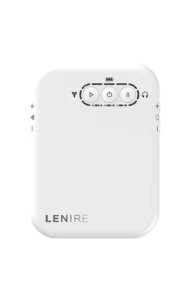
The device has three parts:

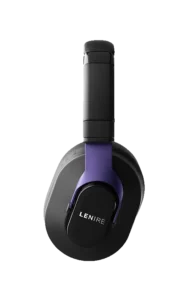
Bluetooth headphones. Specialised audio delivers soothing sounds to activate the brain’s auditory nerve.
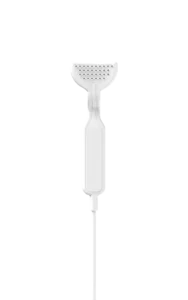
The Lenire Tonguetip. The Tonguetip delivers mild pulses to the surface of the tongue while resting comfortably in the mouth.
The Lenire Controller. A lightweight handheld device that lets you control the timing and intensity of each session.
 

How Does Lenire Work?

Lenire’s bimodal neuromodulation combines sounds from headphones with gentle electrical stimulation to the tongue via the Tonguetip. The two signals work together to retrain your brain to pay less attention to your tinnitus, reducing its impact on your day-to-day life.

This is the same principle that underpins tinnitus habituation – the process by which tinnitus moves into the background of your awareness. Lenire is a way of supporting that process with a device, alongside the counselling and sound strategies our tinnitus program already uses.

You use Lenire at home for around an hour a day, usually as two 30-minute sessions, over a 12-week course. Your audiologist sets the sound and stimulation levels to suit your hearing and your tinnitus, and adjusts them at review appointments.

Why Have Lenire Fitted at DWM Audiology?

DWM Audiology is one of only a few clinics selected to provide Lenire treatment in Australia, and one of the first chosen to offer it here.

A device is only as good as the assessment behind it. Lenire settings are customised to your hearing and your tinnitus, which means the quality of the clinical work matters as much as the technology.

DWM Audiology is also the only clinic in Australia invited to contribute to The Multidisciplinary European Guideline for Tinnitus: diagnosis, assessment and treatment (Cima et al., 2019) – the guideline written to set worldwide standards for tinnitus care.

What that means in practice:

  • Lenire is one part of a program, not a replacement for one. It sits alongside the counselling, sound enrichment, and cognitive strategies our tinnitus program already provides.
  • Assessment comes first. A full hearing assessment and tinnitus evaluation happen before any device is discussed. Hearing loss is often unrecognised, and it changes what treatment makes sense.
  • We will tell you if it is not for you. If Lenire is unlikely to help, we will say so and recommend what will.
  • Independent and audiologist-led. We are not owned by a manufacturer, and we do not work to a sales target.

What to Expect from Lenire Treatment


Your assessment

Your first appointment runs for around 90 minutes. It covers a full hearing assessment (if you have not had one recently), a detailed history of your tinnitus, and an evaluation of how it is affecting you. We will discuss whether Lenire is likely to help, and what the alternatives are.

Your fitting

If Lenire is suitable, your audiologist configures the device to your hearing profile and tinnitus, sets your sound and stimulation levels, and shows you how to use it. You go home with the device and a clear plan for the 12 weeks ahead.

Your 12 weeks of treatment

You use Lenire at home for around an hour a day. Sessions are quiet, seated, and can be done while reading or watching television. Review appointments at 6 and 12 weeks let us measure your progress with a standardised tinnitus questionnaire and adjust your settings.

After treatment

At the end of the 12 weeks we review your outcomes together and agree what happens next, whether that is continuing with the device, shifting focus to other habituation strategies, or both.

Book Your Lenire Assessment in Heidelberg


DWM Audiology is located at 74 Mount Street, Heidelberg – 11km northeast of Melbourne’s CBD, and a short drive from Ivanhoe, Rosanna, Bundoora, and Greensborough. We’re an independent, audiologist-led clinic offering ear cleaning Melbourne patients can book directly, without a referral. Open Monday to Friday, 9am–5pm.

FAQs

No. Lenire is not a cure and no device currently is. It is designed to reduce the severity and impact of tinnitus symptoms by retraining how your brain responds to them. In clinical trials, the majority of patients experienced a meaningful reduction in severity that was sustained for at least 12 months.

Costs vary between provider clinics and depend on whether you need a hearing assessment first. Call us on (03) 9457 6588 and we will talk you through the assessment fee and the cost of the device and treatment course before you book.

The standard course is 12 weeks, using the device at home for around an hour a day. Most patients who respond begin noticing changes within the first six weeks, though this varies.

Lenire was found to be safe in three clinical trials involving several hundred patients. Some people notice a temporary increase in awareness of their tinnitus early on, which is why your settings are configured by an audiologist and reviewed during treatment rather than left to you to manage alone. Tell us if anything changes and we will adjust it.

No referral is required. You can book an assessment directly. If your tinnitus needs medical investigation first – for example if it is pulsatile or accompanied by vertigo, we will refer you appropriately. See our tinnitus page for more on when further investigation is recommended.

It is a different tool, not a replacement. If you have hearing loss alongside tinnitus, hearing aids often deliver significant benefit on their own by reducing the listening effort that aggravates tinnitus. Lenire is generally considered when tinnitus remains intrusive despite those approaches. Your assessment will establish which applies to you.

Lenire is not fitted to people under 18, or where tinnitus is pulsatile, objective, or associated with significant vertigo or neurological symptoms. These require medical investigation first. Certain oral conditions and implanted electrical devices may also rule it out. Your assessment covers all of this.

No. Lenire is only available through certified provider clinics, and the device settings must be customized to your hearing and tinnitus by a trained clinician. Devices offered for sale privately or through online marketplaces cannot be configured for you and should be avoided.

Our Services